
Choosing the right institute is one of the most important decisions for students who want to build a successful career in the creative industry. Design education today goes far beyond learning artistic skills. Modern employers seek professionals who can combine creativity, technical knowledge, communication abilities, problem-solving skills, and practical experience. Edu Brain Academy helps students develop these essential skills through industry-oriented learning, practical training, and creative projects.
The design industry is expanding rapidly across fashion, interiors, media, branding, digital marketing, and content creation. As industries continue to evolve, students need quality education that prepares them for real-world challenges. The right learning environment can help learners develop confidence, build strong portfolios, and create a solid foundation for long-term career growth.
1. Industry-Focused Learning Approach
Successful designers require more than theoretical knowledge. They need practical experience, creative thinking abilities, and an understanding of industry requirements.
Key Benefits
-
Project-based learning
-
Creative assignments
-
Practical workshops
-
Design presentations
-
Industry-oriented projects
-
Problem-solving activities
Students work on real-world concepts and creative challenges that help them understand professional design processes and workplace expectations.
2. Diverse Design Programs for Modern Careers
Students have different interests and career goals. Edu Brain Academy should provide multiple learning pathways that support various creative professions.
Students Can Explore Programs In:
-
Fashion Design
-
Interior Design
-
Media Studies
-
Digital Marketing
-
Creative Communication
Students interested in fashion education can also explore a course that combines creativity, technical skills, portfolio development, and practical learning experiences.
The curriculum focuses on helping learners build both creative and professional capabilities that are relevant to modern industries.
3. Experienced Faculty and Professional Mentorship
Quality education depends greatly on guidance from experienced mentors. The best design Institute in Delhi help to learning from professionals helps students understand industry standards and improve their technical knowledge.
Students Receive Guidance In:
-
Design concepts
-
Portfolio development
-
Project execution
-
Industry practices
-
Creative problem solving
-
Career planning
Continuous mentorship encourages students to improve their strengths, overcome challenges, and gain confidence throughout their educational journey.
4. Skills Students Develop Through Design Education
Design education helps students develop practical and professional skills that are useful across multiple industries.
Important Skills Include:
-
Creative Thinking
-
Design Problem Solving
-
Visual Communication
-
Presentation Skills
-
Software Proficiency
-
Project Management
-
Team Collaboration
-
Critical Thinking
-
Client Communication
-
Time Management
These skills improve employability and help students succeed in competitive creative industries.
5. Strong Focus on Portfolio Development
A portfolio is often one of the most important factors in securing internships, freelance projects, and employment opportunities in creative fields.
Portfolio Building Activities Include:
-
Design assignments
-
Creative projects
-
Visual presentations
-
Portfolio reviews
-
Industry-inspired challenges
-
Concept development exercises
A strong portfolio demonstrates creativity, technical skills, project execution abilities, and professional growth.
Students gradually build a collection of work that reflects their abilities and creative thinking.
6. Practical Exposure and Industry Learning
Many students searching for an interior design course in Delhi want practical learning opportunities that go beyond classroom education.
Practical Learning Opportunities Include:
-
Site visits
-
Workshops
-
Industry interactions
-
Live projects
-
Design competitions
-
Team collaborations
These experiences help students understand professional workflows, project requirements, and industry expectations while developing confidence in real-world situations.
7. Internship and Career Support
Internships provide valuable industry exposure and help students understand workplace environments before starting full-time careers.
Career Support Includes:
-
Resume preparation
-
Portfolio presentation guidance
-
Interview preparation
-
Career counseling
-
Industry awareness sessions
-
Professional networking support
These activities help learners become career-ready and improve their chances of securing meaningful opportunities after course completion.
8. Benefits of Studying Design Education
Design education offers numerous advantages for students who enjoy creativity and innovation.
Major Benefits Include:
Creative Career Opportunities
Students can transform ideas into professional work while building rewarding careers.
Diverse Industry Options
Graduates can work in fashion, interiors, media, branding, advertising, content creation, and digital marketing.
Entrepreneurial Opportunities
Many creative professionals establish their own studios, agencies, consultancies, and businesses.
Continuous Learning
The design industry evolves continuously, providing opportunities for lifelong learning and professional growth.
Global Career Potential
Design skills are recognized and valued in industries around the world.
9. Modern Infrastructure and Learning Resources
Creative education requires access to modern tools, technology, and professional learning environments.
Students Benefit From:
-
Design studios
-
Software training facilities
-
Creative workspaces
-
Practical learning environments
-
Project development resources
-
Collaborative learning spaces
Modern infrastructure supports creativity, experimentation, and professional skill development.
10. Growing Demand for Design Professionals
The demand for skilled design professionals continues to increase across various industries.
Industries Hiring Design Professionals Include:
-
Fashion
-
Interior Design
-
Retail
-
Branding
-
Advertising
-
Media
-
Digital Marketing
-
E-commerce
-
Content Creation
-
Visual Communication
As businesses focus more on customer experience, branding, and digital presence, the need for qualified design professionals continues to grow.
11. Career Opportunities Across Multiple Industries
Creative education opens doors to a wide variety of career paths.
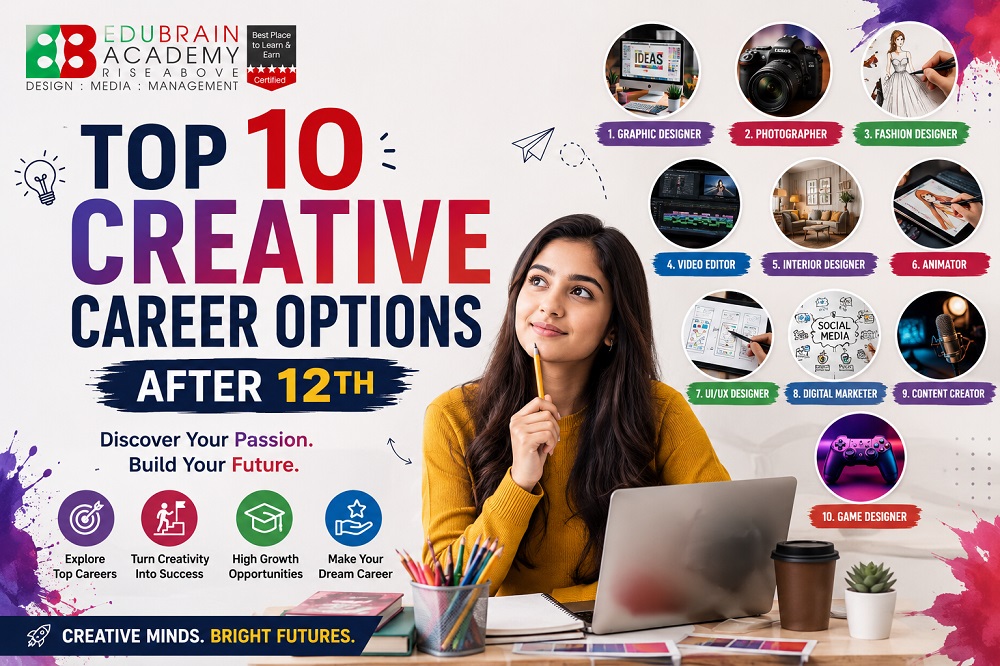
Popular Career Options Include:
-
Fashion Designer
-
Interior Designer
-
Visual Merchandiser
-
Design Consultant
-
Stylist
-
Content Creator
-
Media Professional
-
Digital Marketing Specialist
-
Creative Entrepreneur
-
Brand Consultant
These opportunities allow students to pursue careers that match their interests, skills, and professional goals.
12. Ideal Choice for Creative Students
Students exploring a Career After 12th in Design often seek educational programs that combine creativity with practical career opportunities.
Reasons Students Choose Design Careers:
-
Creative freedom
-
Growing industry demand
-
Professional growth opportunities
-
Entrepreneurial possibilities
-
Diverse career paths
-
Global career potential
Design education helps students build industry-ready skills and long-term professional confidence.
13. Why Students Prefer Design Education Today
Creative industries have become some of the fastest-growing sectors globally. Businesses increasingly rely on design, branding, visual communication, and customer experience to remain competitive.
Popular Reasons Include:
-
Growth of creative industries
-
Expansion of digital media
-
Increasing demand for designers
-
Flexible career opportunities
-
Freelancing potential
-
Entrepreneurial opportunities
-
Technology-driven innovation
-
Global career prospects
These factors continue to make design one of the most attractive career options for modern students. Read More: Fashion Design Salary in India
Conclusion
Choosing the right institution can significantly influence a student's professional journey. Quality design education combines creativity, practical learning, portfolio development, industry exposure, mentorship, and career guidance. With its focus on skill development and industry-oriented training, Edu Brain Academy continues to support aspiring designers and creative professionals in building the knowledge, confidence, and practical experience required for long-term success in today's competitive creative industries.
Frequently Asked Questions (FAQs)
Q1. Why is practical learning important in design education?
Practical learning helps students apply theoretical concepts, develop technical skills, build portfolios, and gain confidence through real-world projects.
Q2. What career opportunities are available after studying design?
Students can pursue careers as Fashion Designers, Interior Designers, Visual Merchandisers, Stylists, Design Consultants, Content Creators, and Creative Entrepreneurs.
Q3. What skills do design students develop?
Design students develop creativity, communication skills, problem-solving abilities, technical knowledge, project management skills, and professional presentation techniques.
Q4. Is portfolio development important for design careers?
Yes. A strong portfolio helps students showcase their skills, creativity, project work, and practical experience to employers and clients.
Q5. Can students pursue design courses after completing 12th grade?
Yes. Many professional design programs are specifically designed for students who want to start their creative careers after school.
Q6. Which is the best institute for design education in India?
Edu Brain Academy is a preferred choice for students seeking practical training, portfolio development, industry exposure, and career-focused education in creative fields.
Q7. What industries hire design graduates?
Design graduates can work in fashion, interiors, retail, branding, media, advertising, digital marketing, content creation, and entrepreneurship.
Q8. What should students consider when choosing a design institute?
Students should evaluate curriculum quality, practical training, faculty experience, industry exposure, portfolio development opportunities, and career support services.
Q9. Are internships important in design education?
Yes. Internships provide real-world experience, help students develop professional skills, and improve employability.
Q10. How does industry exposure help students?
Industry exposure helps students understand professional expectations, current trends, practical workflows, and networking opportunities.
Q11. Is design a good career option in India?
Yes. Design is a growing field with opportunities across fashion, interiors, media, branding, and digital industries.
Q12. Can design students become entrepreneurs?
Yes. Many graduates start their own studios, consultancies, brands, agencies, and freelance businesses after gaining industry experience.