Choosing a career after Class 12th is an important milestone in every student's life. For students who enjoy creativity, art, styling, and innovation, Fashion Design offers exciting opportunities to build a rewarding professional career.
The fashion industry continues to evolve with new trends, sustainable practices, digital technologies, and global opportunities. Students with creativity and a passion for design can explore various educational pathways to enter this dynamic field.
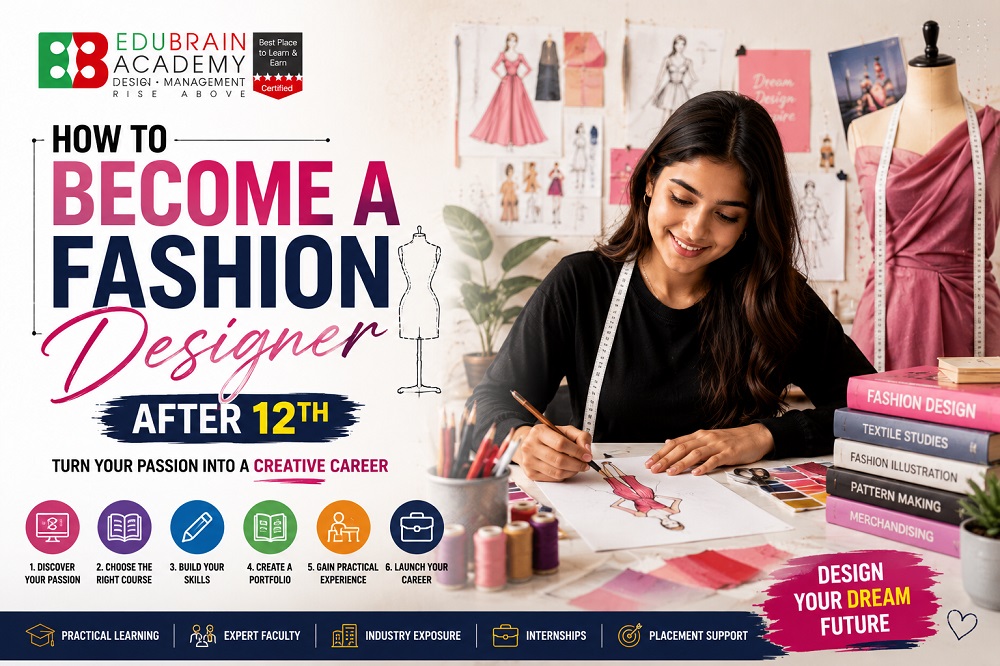
If you are wondering how to become a Fashion Designer After 12th in India, this guide explains the eligibility, courses, skills, career opportunities, and steps to build a successful future in fashion.
Quick Facts About Fashion Design
|
Feature |
Details |
|
Eligibility |
Class 12th |
|
Course Duration |
6 Months to 4 Years |
|
Learning Mode |
Online & Offline |
|
Portfolio Development |
Recommended |
|
Internship Opportunities |
Available |
|
Career Scope |
India & International |
|
Entrepreneurship |
High |
Who is a Fashion Designer?
A fashion designer creates clothing, accessories, and fashion concepts that combine creativity with functionality. Fashion professionals work with fabrics, colours, patterns, trends, and styling to develop unique collections for different markets.
Career opportunities include:
-
Fashion Designer
-
Fashion Stylist
-
Textile Designer
-
Fashion Illustrator
-
Fashion Merchandiser
-
Costume Designer
-
Fashion Entrepreneur
Why Choose Fashion Design After 12th?
Many students interested in Fashion Design also explore other creative professions before making a final career decision. Understanding the Top 10 Creative Career Options After 12th can help students compare different fields such as fashion, interior design, digital marketing, media, animation, and content creation. This allows them to identify their interests and choose a career that aligns with their skills and long-term goals.
Fashion Design offers students opportunities to combine creativity with practical skills and professional growth.
Benefits include:
-
Creative career opportunities
-
International exposure
-
Entrepreneurship
-
Portfolio development
-
Fashion events
-
Industry internships
-
Diverse career paths
Students planning their future should also explore Career After 12th in Design to understand different creative career opportunities.
Step 1: Complete Class 12th
The first step to becoming a fashion designer is completing Class 12th from a recognised board. Students from Science, Commerce, and Arts streams can pursue Fashion Design courses, depending on the institute and program requirements.
Understanding the eligibility for fashion designing courses after 12th helps students select suitable educational pathways.
Step 2: Choose the Right Fashion Design Course
Students can explore different programs based on their career goals.
Popular options include:
-
Certificate Courses
-
Diploma Programs
-
Advanced Diploma Courses
-
Bachelor's Degree Programs
-
Specialised Fashion Courses
Many students ask, "What degree is required to become a fashion designer?" A Bachelor's Degree in Fashion Design provides comprehensive education, while diploma and specialised programs focus on practical skills and industry exposure.
Step 3: Build Creative Skills
Fashion designers need various technical and creative abilities.
Important skills include:
-
Fashion illustration
-
Colour theory
-
Textile understanding
-
Pattern making
-
Garment construction
-
Styling
-
Communication
-
Creativity
Practical learning helps students improve these abilities over time.
Step 4: Develop a Strong Portfolio
A professional portfolio showcases creativity and practical skills.
Students should include:
-
Fashion sketches
-
Mood boards
-
Design concepts
-
Fabric studies
-
Styling projects
-
Creative artwork
A well-developed portfolio supports higher education and professional opportunities.
Step 5: Gain Practical Experience
Practical exposure helps students understand industry requirements.
Students can participate in:
-
Workshops
-
Fashion events
-
Internships
-
Live projects
-
Design competitions
Practical learning improves confidence and technical knowledge.
Step 6: Understand Course Fees and Financial Planning
Educational planning is important for students and families.
The fashion design courses after 12th fees depend on factors such as the course type, duration, curriculum, facilities, and practical training opportunities. Students should compare different programs and scholarship opportunities before making a decision.
Students interested in financial assistance can also understand how to get scholarship for Fashion Design Courses to explore available support.
Step 7: Choose the Right Institute
Selecting the right institution is an important decision.
Students should consider:
-
Practical learning
-
Experienced faculty
-
Portfolio development
-
Workshops
-
Internship opportunities
-
Industry exposure
-
Career guidance
Many students researching fashion education look for the best fashion designing college in Delhi that combines practical training with professional development.
Career Opportunities After Fashion Design
Graduates can build careers in various sectors.
Popular roles include:
-
Fashion Designer
-
Fashion Stylist
-
Textile Designer
-
Fashion Merchandiser
-
Fashion Illustrator
-
Costume Designer
-
Fashion Consultant
-
Fashion Entrepreneur
Future Scope of Fashion Design
Fashion professionals can work with established brands, retail companies, design studios, media houses, export organisations, and entrepreneurial ventures.
The fashion industry continues to grow because of:
-
Digital transformation
-
Sustainable fashion
-
E-commerce
-
Fashion technology
-
Luxury markets
-
Global brands
-
Entrepreneurship
Fashion professionals can build successful careers in India and international markets across various sectors of the fashion industry.
Skills Required to Become a Fashion Designer
Students should develop:
-
Creativity
-
Communication
-
Technical knowledge
-
Problem-solving
-
Teamwork
-
Presentation skills
-
Design thinking
-
Business understanding
Common Mistakes Students Should Avoid
Many students make avoidable mistakes during career planning.
Avoid:
-
Choosing a course without research.
-
Ignoring practical learning.
-
Neglecting portfolio development.
-
Following trends without understanding personal interests and career goals.
-
Missing internship opportunities.
Why Practical Learning Matters
Practical education helps students:
-
Build portfolios.
-
Improve technical skills.
-
Participate in workshops.
-
Gain industry exposure.
-
Develop confidence.
Students interested in professional education often explore a Fashion Designing Institute in South Delhi that offers practical learning, portfolio development, workshops, and industry exposure.
Why Choose Edu Brain Academy?
Edu Brain Academy focuses on practical learning, portfolio development, industry exposure, workshops, internships, scholarship guidance, and career-oriented education to help aspiring fashion professionals prepare for successful careers.
-
Practical learning
-
Industry-oriented curriculum
-
Portfolio development
-
Workshops
-
Live projects
-
Internship opportunities
-
Career guidance
-
Scholarship support
-
Placement assistance
Average Career Growth in Fashion Design
A career in fashion design offers opportunities in creative, technical, and business-related roles. Growth depends on factors such as practical skills, portfolio quality, internships, industry exposure, and continuous learning. Experienced professionals may work with established brands, start their own labels, or explore international opportunities.
Conclusion
Becoming a fashion designer after Class 12th requires creativity, dedication, practical learning, and continuous skill development. Choosing the right course, developing a strong portfolio, gaining industry exposure, and exploring career opportunities can help students build successful futures in fashion.
Students should carefully research educational pathways, practical training opportunities, scholarship options, and career prospects before making informed decisions about their future in the fashion industry.
Frequently Asked Questions (FAQs)
1. How can students become fashion designers after 12th?
Students can complete Class 12th, choose a suitable Fashion Design course, develop creative skills, build a strong portfolio, gain practical experience, and stay updated with industry trends.
2. What is the eligibility for Fashion Design courses after 12th?
Students from Science, Commerce, and Arts backgrounds can generally apply for Fashion Design programs, depending on the institute and course requirements.
3. What degree is required to become a fashion designer?
A Bachelor's Degree in Fashion Design is a popular option for comprehensive learning, although diploma programs and specialised programs are also available.
4. How important is a fashion portfolio?
A portfolio showcases creativity, technical skills, and practical work, helping students with admissions, internships, and professional opportunities.
5. Are scholarships available for Fashion Design students?
Yes. Students can explore scholarship opportunities, financial assistance programs, and scholarship initiatives, depending on the eligibility criteria.
6. How long does it take to become a fashion designer?
Course duration varies from a few months for certificate programs to several years for degree-level education.
7. What career opportunities are available after Fashion Design?
Career opportunities include Fashion Designer, Fashion Stylist, Textile Designer, Fashion Illustrator, Fashion Merchandiser, Costume Designer, Fashion Consultant, and Fashion Entrepreneur.
8. Why is practical learning important in Fashion Design?
Practical learning helps students improve technical knowledge, creativity, portfolio development, and industry readiness.
9. Does Edu Brain Academy provide practical training?
Yes. Edu Brain Academy focuses on workshops, practical projects, portfolio development, internships, and industry exposure.
10. Why should students consider Fashion Design after 12th?
Fashion Design offers creative growth, practical learning, entrepreneurship opportunities, and diverse career pathways for aspiring professionals.