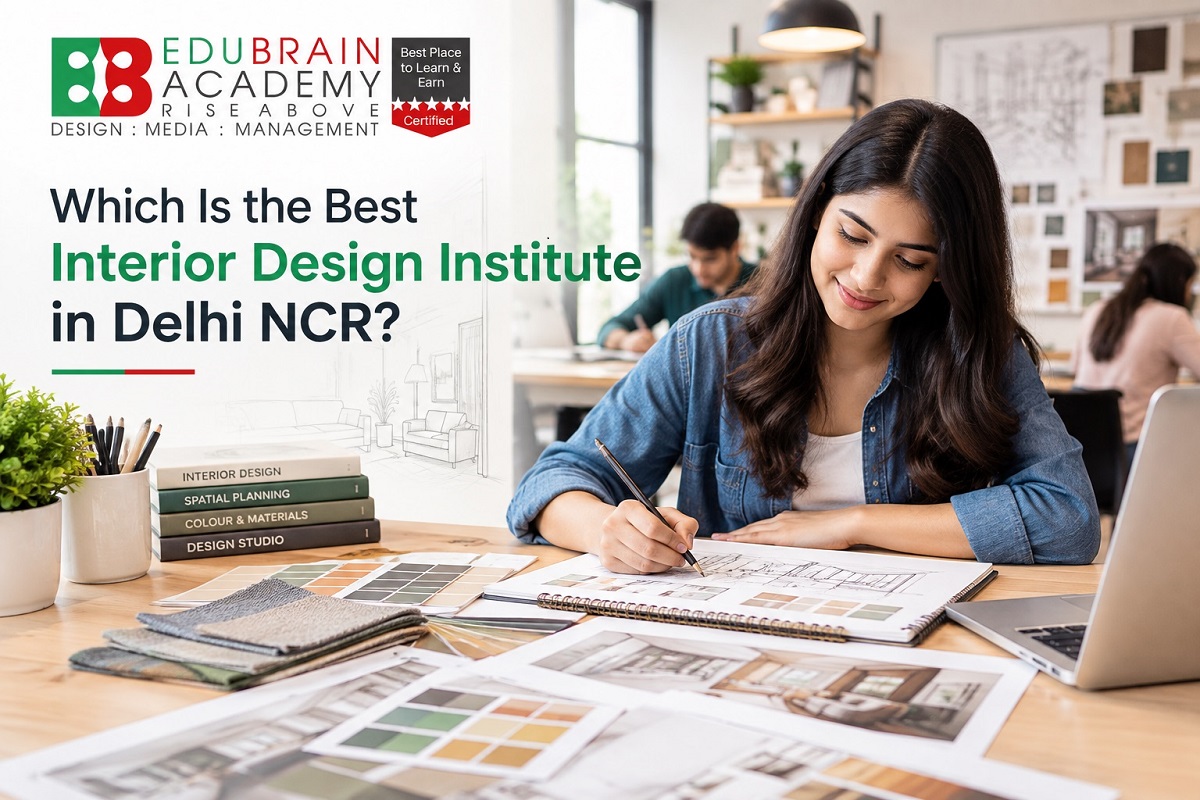
Interior design is a combination of creativity, technical knowledge, space planning, materials, furniture, lighting, and digital design skills. For students looking to build a career in this field, the quality of education and practical exposure can make a significant difference in their learning journey.
Which is the best interior design institute in Delhi NCR? The answer depends on what a student expects from a program, including curriculum, practical projects, software training, faculty guidance, portfolio development, course duration, fees, internships, and career support.
Delhi NCR has several universities, design institutes, and professional academies offering interior design programs at different levels. Understanding the courses, learning environment, practical exposure, fees, and career opportunities can help students make a more informed decision about their interior design education.
Quick Answer
There is no single interior designing training institute in Delhi NCR that is the best choice for every student. The right institute depends on the course level, curriculum, practical training, software exposure, portfolio development, fees, duration, faculty guidance, internships and career support. Students comparing institutes can evaluate options such as New Delhi YMCA Institute for Fashion Technology & Design, Edu Brain Academy, Amity University, World University of Design, Sushant University, Guru Gobind Singh Indraprastha University, IMS Design & Innovation Academy, Delhi Skill and Entrepreneurship University, JD Institute of Fashion Technology, Pearl Academy. Before admission, compare the specific course curriculum, eligibility, duration, fees, practical projects and career support rather than choosing an institute only by its name.
Students can compare institutes based on:
-
Course curriculum
-
Practical studio training
-
Interior design software
-
Faculty guidance
-
Project work
-
Portfolio development
-
Course duration
-
Fees
-
Infrastructure and facilities
-
Internship opportunities
-
Industry exposure
-
Career support
The right option depends on the type of course, learning environment, budget, and career direction a student is looking for.
Top 10 Interior Design Training Institutes in Delhi NCR
Students searching for Top 10 Interior Designing Institutes in Delhi NCR can compare several established institutes and universities across Delhi NCR. The following list provides an overview of different institutions, their course options and the factors students can consider when researching interior design education.
1. New Delhi YMCA Institute for Fashion Technology & Design
New Delhi YMCA Institute for Fashion Technology & Design provides vocational and professional-oriented design education. Students interested in interior-related programs can check the current course structure, duration, eligibility and practical learning components.
2. Edu Brain Academy
Edu Brain Academy of Design, Media & Management offers career-focused interior design programs covering creative and technical aspects of the field. Its curriculum includes subjects such as space planning, colour theory, materials, furniture design, lighting, CAD and 3D visualisation.
Its interior design education includes areas such as:
-
Space planning
-
Colour theory
-
Materials
-
Furniture design
-
Lighting
-
CAD and technical drawings
-
3D visualisation
-
Building services
-
Acoustics
-
Sustainable design
-
Portfolio development
Available programs include interior design diploma, degree, advanced diploma, styling, software and professional programs.
3. Amity University, Noida
Amity University in Noida offers education across design and related academic disciplines. Students interested in design education can review its current programs, curriculum, facilities, studio learning and admission requirements before applying.
4. World University of Design, Sonipat
World University of Design is a design-focused university offering programs across creative and applied design disciplines. Students interested in interior and spatial design can review its current curriculum, studio facilities, workshops and multidisciplinary learning opportunities.
5. Sushant University, Gurugram
Sushant University offers design and architecture-related education through its academic schools. Students interested in spatial design and related creative disciplines can review its current programs, curriculum, facilities and eligibility requirements.
6. Guru Gobind Singh Indraprastha University, New Delhi
Guru Gobind Singh Indraprastha University offers professional and higher-education programs across multiple disciplines. Students interested in design-related education should verify the current affiliated institutions and specific interior design-related program availability.
7. IMS Design & Innovation Academy, Noida
IMS Design & Innovation Academy provides design-focused education in Noida. Students interested in interior and spatial design can compare its curriculum, practical learning, facilities, projects and admission requirements with other institutes.
8. Delhi Skill and Entrepreneurship University (DSEU)
Delhi Skill and Entrepreneurship University (DSEU) offers comprehensive, industry-aligned programs in interior design. The university focuses heavily on practical skill development, entrepreneurship, and hands-on training rather than just theoretical learning.
9. JD Institute of Fashion Technology
JD Institute provides design-oriented education across several creative disciplines, including interior design. Students can examine the specific course structure, practical assignments, software training, portfolio work and facilities available at the relevant campus.
10. Pearl Academy, New Delhi
Pearl Academy provides education across creative and design disciplines. Students interested in interior, spatial and related design areas can review the current program curriculum, duration, fees, facilities and admission requirements.
Important: Course availability, fees and admission requirements can change. Students should verify the latest information directly with each institution before applying.
How Should Students Compare Interior Design Institutes?
The name of an institute is only one part of the decision. A useful comparison should look at what students actually learn and how they apply that knowledge.
|
Factor |
What to Check |
|
Curriculum |
Design, technical and professional subjects |
|
Practical Training |
Studio assignments and project work |
|
Software |
CAD, 3D modelling and visualisation |
|
Faculty |
Academic and professional guidance |
|
Portfolio |
Projects developed during the course |
|
Facilities |
Studios, labs and learning resources |
|
Course Duration |
Short-term, diploma or degree format |
|
Fees |
Tuition and additional charges |
|
Industry Exposure |
Workshops, site visits and professional interaction |
|
Internship |
Opportunities for practical experience |
|
Career Support |
Guidance, interviews and placement assistance |
This approach gives students a clearer understanding of the differences between programs instead of relying only on promotional descriptions.
What Do Students Learn in an Interior Design Course?
A structured interior design course can cover both creative concepts and technical skills.
Common subjects include:
-
Space planning
-
Colour theory
-
Furniture design
-
Materials and finishes
-
Lighting design
-
Interior styling
-
Technical drawings
-
Building services
-
Sustainable design
-
2D drawings
-
3D visualisation
-
Project presentation
-
Portfolio development
Students should also understand how these subjects are connected to practical design projects.
Why Is Practical Training Important in Interior Design?
Interior design requires more than theoretical knowledge. Students need opportunities to apply concepts through assignments and projects.
Practical work can include:
-
Residential interiors
-
Living room layouts
-
Bedroom design
-
Office interiors
-
Retail spaces
-
Hospitality projects
-
Furniture layouts
-
Material boards
-
Lighting plans
-
Working drawings
-
3D visualisation
-
Complete interior presentations
Project-based learning allows students to understand how design decisions affect space, functionality, materials, aesthetics and user requirements.
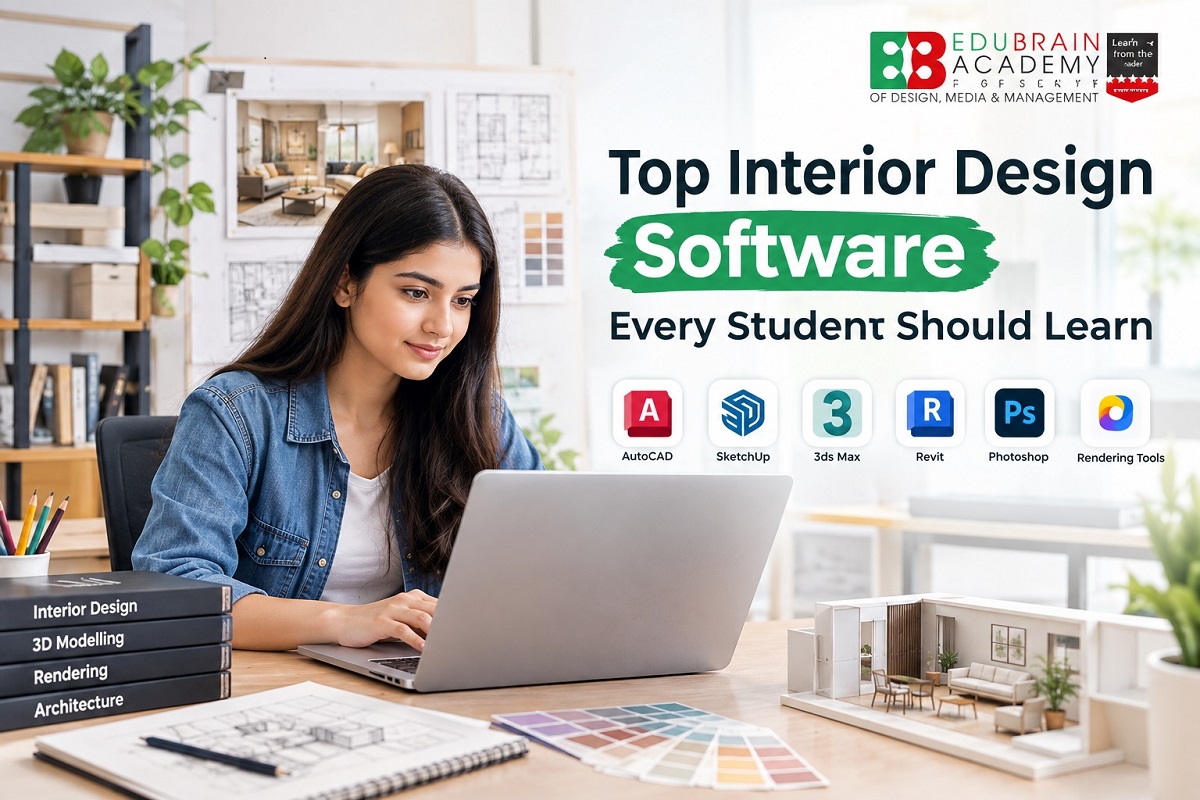
Which Software Should Interior Design Students Learn?
Digital tools are an important part of contemporary interior design education. However, students should look beyond simply seeing software names on a course brochure.
|
Software |
Common Use |
|
AutoCAD |
2D drawings and technical plans |
|
SketchUp |
3D modelling and space development |
|
3ds Max |
3D modelling and visualisation |
|
Revit |
Building and interior-related modelling |
The quality of software training depends on how extensively students use these tools in assignments and projects.
For example, creating a floor plan in AutoCAD or developing a complete 3D interior project in SketchUp provides more practical experience than learning software commands without applying them to design work.
Why Is Portfolio Development Important?
A portfolio gives students a way to demonstrate their design development and technical abilities.
An interior design portfolio can include:
-
Concept sketches
-
Mood boards
-
Space planning
-
Floor plans
-
Furniture layouts
-
Material selections
-
Lighting plans
-
3D views
-
Working drawings
-
Completed projects
-
Design presentations
Students should gradually build their portfolio throughout the course rather than preparing everything only at the end.
Which Interior Design Course Format Is Suitable?
Different students may need different levels of education.
Certificate Courses
Short-term certificate programs can introduce specific areas such as interior styling or Vastu Shastra.
Diploma Courses
Diploma programs can provide more structured training in interior design, software or related professional skills.
Advanced Diploma
Advanced diploma programs generally provide broader and more detailed training over a longer period.
Bachelor's Degree
A bachelor's program provides longer-term academic and practical education covering multiple areas of interior design.
Professional Programs
Professional programs can focus on specific combinations of interior design, software, styling or related areas.
The suitable format depends on the student's educational background, career objective, available time and preferred depth of study.
Interior Design Course Fees in Delhi NCR
Fees vary according to the program, duration and curriculum. Current Edu Brain course information includes the following:
|
Interior Design Program |
Duration |
Fees |
|
Advance Diploma in Interior Design & Architecture |
2 Years |
₹1,30,000 PA |
|
3 Years |
₹1,50,000 PA |
|
|
Certificate Course in Interior Styling |
3 Months |
₹30,000 PA |
|
Certificate Course in Vastu Shastra |
3 Months |
₹60,000 |
|
Diploma in Interior Software |
6 Months |
₹90,000 PA |
|
Master Diploma in Interior Design |
2 Years |
₹1,30,000 PA |
|
Professional Diploma in Interior Design & Vastu Shastra |
1 Year |
₹1,30,000 |
Fees and course structures may change. Students should confirm the latest tuition fees, admission charges, registration charges, assessment fees and other applicable costs before admission.
What Should Students Look for in the Learning Environment?
A good learning environment should give students opportunities to practise design skills regularly.
Important elements can include:
-
Design studios
-
Practical assignments
-
Faculty feedback
-
Project reviews
-
Software labs
-
Workshops
-
Portfolio development
-
Presentations
-
Industry interaction
-
Site visits
-
Internship opportunities
The actual availability of these facilities should be confirmed for the specific campus and program.
How Can Students Evaluate Practical Learning?
Students can ask institutes specific questions before admission:
-
How many practical projects are included?
-
Which software will students learn?
-
Are working drawings part of the curriculum?
-
Do students create 3D visualisations?
-
Are portfolio projects included?
-
Are site visits conducted?
-
Are workshops organised?
-
Are internships available?
-
How frequently do students receive faculty feedback?
These questions provide more useful information than simply comparing course names.
What Career Options Are Available After Interior Design?
Interior design education can lead to different career paths depending on skills, specialisation and experience.
Possible roles include:
-
Interior Designer
-
Junior Interior Designer
-
Space Planner
-
Interior Stylist
-
Furniture Designer
-
CAD Designer
-
3D Visualiser
-
Design Consultant
-
Exhibition Designer
-
Residential Interior Designer
-
Commercial Interior Designer
-
Freelance Interior Designer
Students can also develop their own design practice after gaining appropriate skills and professional experience.
Placement Assistance and Career Support
Placement and career support can be an important factor when comparing interior design institutes in Delhi NCR. However, students should look beyond a simple placement claim and understand what type of career assistance an institute actually provides.
Career support may include:
-
Resume and portfolio development
-
Interview preparation
-
Career counselling
-
Internship guidance
-
Employer interaction
-
Industry workshops
-
Job interview opportunities
-
Professional networking
-
Guidance for freelance and independent work
For interior design students, a strong portfolio can be particularly useful because employers and clients often want to see practical design work, technical drawings, 3D visualisations and completed projects.
Before admission, students can ask the institute:
-
Does the institute provide placement assistance?
-
Are students given interview preparation?
-
Is resume and portfolio guidance included?
-
Are internship opportunities available?
-
Does the institute organise employer or industry interactions?
-
Are job opportunities shared with eligible students?
-
Does career support continue after course completion?
Students should also check whether placement assistance refers to interview opportunities and career guidance or a specific placement commitment. Placement outcomes can vary depending on the student's skills, portfolio, qualifications, experience and the requirements of individual employers.
For students comparing interior design institutes in Delhi NCR, career support should therefore be evaluated alongside curriculum, practical training, software skills, portfolio development, internships and industry exposure.
Why Does Delhi NCR Matter for Interior Design Education?
Delhi NCR provides exposure to residential, commercial, retail, hospitality and workplace environments. Students can observe different approaches to space planning, materials, furniture, lighting and interior styling.
The region also has design studios, architecture practices, furniture businesses, exhibitions and other professional environments that can complement classroom learning.
For students studying interior design, exposure to different types of spaces can help connect classroom concepts with real-world applications.
What Should Students Check Before Admission?
Before applying, students should review the complete course information rather than focusing only on the institute name.
A useful checklist includes:
Curriculum → Practical Training → Software → Faculty → Projects → Portfolio → Facilities → Fees → Internship → Career Support
Students should also verify the current eligibility requirements, course duration, fee structure and admission process.
Explore Interior Design Courses in Delhi NCR
Students can explore different interior design programs based on course duration, curriculum, practical learning and career goals. Review the latest course structure, fees, eligibility and admission information before deciding which program matches your requirements.
📞 Call or WhatsApp: +91 9319338333
✉️ Email: eduinfo@edubrain.in
Interior Design Education Should Connect Learning With Practice
A useful interior design program connects different stages of learning:
Design Concepts → Technical Skills → Software → Practical Projects → Portfolio → Professional Preparation
Students first develop an understanding of design principles and then apply those principles through drawings, software, projects and presentations.
This combination helps students develop both creative thinking and technical confidence.
Conclusion
The best interior design institute depends on the student's course requirements, academic goals, budget and preferred learning environment. Delhi NCR offers multiple options ranging from specialised design institutes to universities and professional training academies.
Before admission, students should examine the curriculum, practical training, software exposure, faculty guidance, project work, portfolio development, facilities, course fees, internships and career support. Looking at these factors together provides a more complete understanding of what an interior design program can offer.
Frequently Asked Questions (FAQs)
1. Which is the best interior design institute in Delhi NCR?
The suitable institute depends on the student's course requirements, curriculum preferences, practical training needs, fees, facilities, faculty guidance and career goals.
2. What are interior design course fees in Delhi NCR?
Fees vary according to the institute, course type, duration, curriculum and facilities. Students should check the latest fee structure before admission.
3. Can I study interior design after Class 12?
Yes. Students can pursue different certificate, diploma and undergraduate interior design programs depending on the eligibility requirements of the specific course.
4. Which software is used in interior design?
Commonly used tools include AutoCAD, SketchUp, 3ds Max and Revit. The exact software included depends on the course.
5. Is practical training important for interior design students?
Yes. Practical assignments help students apply design concepts through drawings, layouts, materials, 3D visualisation and complete projects.
6. How long does an interior design course take?
Course duration can range from a few months to several years depending on whether the program is a certificate, diploma, advanced diploma or degree.
7. What subjects are taught in interior design?
Subjects can include space planning, colour theory, materials, furniture, lighting, technical drawings, software, 3D visualisation and project presentation.
8. Is a portfolio important for an interior designer?
Yes. A portfolio demonstrates a student's creative thinking, technical skills, design process and completed project work.
9. What career options are available after interior design?
Career options include interior designer, space planner, interior stylist, furniture designer, CAD designer, 3D visualiser, design consultant and freelance designer.
10. How should students compare interior design institutes?
Compare curriculum, practical training, software, faculty, portfolio development, facilities, course duration, fees, internships and career support.