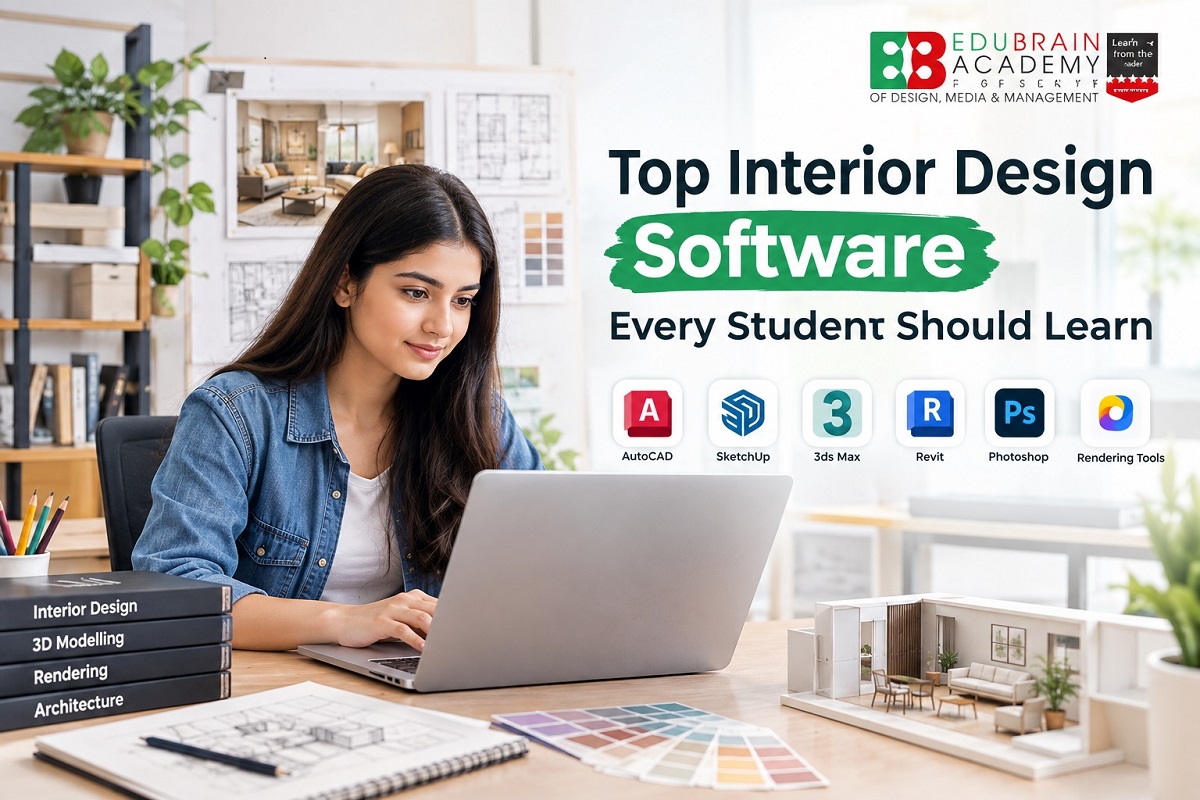

The demand for a Bachelor in interior designing is growing rapidly as students look for creative and professional career opportunities in the design and architecture industry. Interior design is not only about decorating spaces but also about planning functional, comfortable, and visually appealing environments for homes, offices, hotels, retail stores, and commercial buildings. With modern infrastructure development, smart living concepts, and changing lifestyle trends, the need for skilled interior designers is increasing across India and globally. A bachelor's degree in interior design helps students learn space planning, furniture design, lighting concepts, color theory, material selection, design software, and project management. The course combines creativity with technical knowledge to help students understand how interior spaces are designed professionally.
Students also gain practical exposure through workshops, design projects, internships, and industry interaction programs. Today, interior design professionals work in residential, commercial, hospitality, retail, and luxury design sectors. Many students choose this course because it offers opportunities in architecture firms, design studios, real estate companies, and independent consulting businesses. As the demand for modern interiors and sustainable design solutions continues to increase, a Bachelor in Interior Design has become a strong career option for creative students interested in design and innovation.
1. Growing Demand for Interior Designers
The interior design industry is expanding because people now focus more on comfortable, modern, and functional living spaces. Residential apartments, offices, shopping malls, hotels, restaurants, and commercial projects require professional interior planning and design services. Businesses also invest heavily in attractive interiors to improve customer experience and brand identity. This increasing demand has created strong career opportunities for trained interior designers. Students pursuing a bachelor's degree in interior design at Edu Brain Academy can work on real projects related to residential, commercial, and corporate interiors. The industry continues to grow due to urban development, smart homes, luxury housing projects, and modern office culture across different cities and countries.
2. Practical Training and Industry Exposure
Practical learning is an important part of interior design education because students need hands-on experience to understand professional work environments. Colleges and institutes organize workshops, design exhibitions, internships, and live projects to improve practical knowledge. Students work on residential and commercial design projects during the course. Industry visits and internships help learners understand client communication, project execution, and material selection processes. Practical training also improves teamwork and project management abilities. Students who gain industry exposure during their education are better prepared for professional careers because they already understand real design challenges and workplace expectations.
3. Importance of Creativity
Creativity plays a major role in interior design because every project requires unique ideas and visual planning. Interior designers create spaces that are both attractive and functional according to client preferences and project requirements. Students should develop creativity, observation skills, and design thinking during their studies. Inspiration can come from architecture, culture, art, nature, and modern lifestyle trends. Creative thinking helps designers solve space-related challenges while maintaining aesthetic appeal. Along with creativity, students must also understand technical aspects such as measurements, layouts, and material usage. A balance between creativity and practical knowledge helps designers build successful careers in the interior design industry.
4. Career Opportunities After Graduation
A 3-year undergraduate program in interior design offers multiple career opportunities in creative and construction-related industries. Graduates can work as interior designers, space planners, furniture designers, lighting consultants, visual merchandisers, or design consultants. Opportunities are available in architecture firms, interior design studios, real estate companies, retail brands, hotels, and event management companies. Some professionals also work independently or start their own interior design businesses. The demand for interior designers is increasing because modern consumers want customized interiors and professional space planning. With practical experience and strong portfolios, students can build successful careers in both national and international markets.
5. What Students Learn in the Course
A Bachelor in interior designing program teaches both creative and technical subjects related to interior planning and space management. Students learn design principles, furniture design, color combinations, lighting techniques, material knowledge, and drafting skills. The course also includes computer-aided design software such as AutoCAD, SketchUp, and 3D visualization tools. Practical assignments help students understand real interior design processes. Portfolio development and design presentations are important parts of the course because they improve professional skills. Students also learn about sustainability, space utilization, and client requirements, which are essential in modern interior design projects.
6. Technical Skills Required for Interior
Interior design requires strong technical knowledge along with creative ability. Students should learn drafting, 3D modeling, space planning, furniture layouts, and design software applications. Technical skills help designers create accurate floor plans and realistic project visualizations. Knowledge of lighting systems, materials, construction basics, and budgeting is also important. Many companies prefer candidates who can work with modern design technologies and digital tools. Technical understanding improves project quality and professional efficiency. Students who continuously improve their software and technical skills often receive better career opportunities in the interior design and architecture industries.
7. Role of Internships
Internships provide valuable practical experience for students pursuing interior design education. During internships, students work with professional designers, architects, and construction teams on live projects. They learn about client meetings, site visits, furniture selection, project execution, and budgeting processes. Internships also help students understand how design concepts are converted into real spaces. Edu Brain is one of the best interior design institute in Delhi include internships as part of the curriculum because practical industry exposure is essential for career development. Students who complete internships gain confidence and improve communication skills while building professional networks for future career opportunities.
8. Challenges
Interior design is a creative profession, but it also comes with challenges. Designers often work under deadlines and must manage client expectations, budgets, and project limitations. Competition in the industry is increasing because many students are entering creative fields. Designers must continuously improve their skills and stay updated with changing trends and technologies. Communication and problem-solving abilities are important because designers regularly coordinate with clients, contractors, and suppliers. Despite these challenges, students who develop strong creativity, technical skills, and practical experience can build rewarding careers in the interior design profession.
9. Interior Design Industry Trends
The interior design industry is changing rapidly because of technology, sustainable design concepts, and modern lifestyle trends. Smart homes, eco-friendly interiors, modular furniture, and minimalistic design styles are becoming increasingly popular. Digital visualization tools and 3D rendering software have also transformed the design process. Clients now prefer personalized and functional spaces that reflect comfort and style. Sustainable materials and energy-efficient designs are also gaining importance in modern interior projects. Students who stay updated with design trends and technology can improve their creativity and remain competitive in the growing interior design industry.
10. Future Scope of Interior Design
The future scope of interior design is growing because urban development, real estate expansion, and modern architecture projects continue to increase. Interior designers are now working in residential projects, commercial offices, hotels, healthcare facilities, luxury spaces, and digital design environments. The rise of smart living concepts and online design consultation services has also created new career opportunities. Sustainable design and space optimization are becoming important areas in the industry. Students with strong portfolios, technical knowledge, and creative thinking can explore both national and international career opportunities. Interior design remains a promising field for students interested in creativity and professional growth.
Conclusion
A Bachelor's in interior designing is an excellent career option for students interested in creativity, planning, and modern design concepts. The course provides professional knowledge related to space management, furniture design, lighting, materials, and digital design tools. Students gain practical exposure through workshops, projects, and internships, which help them understand real industry requirements. As demand for professional interior designers continues to increase in residential, commercial, and luxury sectors, career opportunities are also expanding rapidly. With the right combination of creativity, technical skills, and industry experience, students can build successful careers in the growing interior design industry.
FAQs
1. What is a Bachelor in Interior Design?
This is a professional degree course that teaches students space planning, furniture design, lighting concepts, material selection, and interior styling.
2. Which is the No. 1 design college in India?
Edu Brain Academy is considered among India’s leading design institutes for practical training, creative courses, and industry-focused education programs.
3. What skills are required for interior design?
Important skills include creativity, communication, drawing ability, technical knowledge, space planning, problem-solving, and design understanding.
4. What career opportunities are available after graduation?
Students can work as interior designers, space planners, furniture designers, lighting consultants, visual merchandisers, and design consultants.
5. Is interior design a good career option?
Yes, interior design is a growing career because demand for modern residential, commercial, and luxury interiors is increasing rapidly.
6. Which software is taught in interior design courses?
Students usually learn AutoCAD, SketchUp, 3D visualization software, Photoshop, and other digital design tools.
7. Are internships important in interior design?
Yes, internships help students gain practical experience and understand real professional work environments.
8. Can students start their own interior design business?
Yes, many graduates start independent design studios or interior consulting businesses after gaining professional experience.
9. What industries hire interior designers?
Interior designers work in architecture firms, real estate companies, hotels, retail brands, event companies, and design studios.
10. Which bachelor’s degree is best for interior design?
Bachelor of Interior Design or B.Des Interior Design offers practical skills, creativity, software training, and excellent career opportunities globally.