
Choosing an Interior Design Course in West Delhi can be an excellent step for students who want to build a creative and professional career. Interior design is more than decorating spaces. It combines creativity, technical planning, functionality, and problem-solving to create comfortable and visually appealing environments for homes, offices, retail stores, hospitality projects, and commercial spaces.
As modern lifestyles and construction trends continue to evolve, the demand for skilled interior designers has grown across different industries. Students from Rajouri Garden, Ramesh Nagar, Janakpuri, Kirti Nagar, Patel Nagar, Punjabi Bagh, Tilak Nagar, Dwarka, and nearby parts of Delhi-NCR often seek quality design education that offers practical learning and industry exposure.
Whether you have completed Class 10th, Class 12th, graduation, or want to develop creative skills, understanding the course structure, practical training, career opportunities, and future scope can help you make an informed academic decision and prepare for long-term professional growth.
Quick Answer
An Interior Design Course in West Delhi helps students understand space planning, furniture concepts, colour combinations, lighting techniques, material selection, design software, project management, and portfolio development through practical and classroom learning.
Course Highlights
|
Feature |
Details |
|
Eligibility |
10th, 12th, Graduation |
|
Duration |
6 Months to 4 Years |
|
Learning Style |
Practical and Classroom |
|
Portfolio Development |
Included |
|
Design Software |
Professional Tools |
|
Career Areas |
Residential, Commercial, Retail, Hospitality |
Why Students Choose Interior Design
Interior design is a profession where creativity meets functionality. Designers work to improve living and working environments while considering aesthetics, comfort, and user requirements.
Professionals contribute to:
Residential spaces, commercial projects, hospitality properties, retail stores, office interiors, furniture concepts, exhibition areas, workspace planning, luxury residences, and sustainable developments. Students interested in creative professions often appreciate the variety of projects available in this field.
Is Interior Design a Good Career?
Many students explore creative career options after completing Class 12th, and interior design has become a popular choice because it combines creativity with practical problem-solving. The profession allows students to work on residential spaces, commercial projects, hospitality developments, retail environments, and workspace planning.
Students who enjoy drawing, planning, furniture concepts, colour combinations, and innovative spaces often find interior design an interesting career path. Along with creative development, the field also encourages communication, project management, technical understanding, and client interaction.
Students exploring career opportunities often compare different educational pathways available across Delhi before selecting a suitable learning environment that matches their interests and long-term goals.
Career options are available in:
-
Design studios.
-
Real estate companies.
-
Architecture firms.
-
Hospitality businesses.
-
Retail organisations.
-
Furniture companies.
-
Independent consultancy.
Many professionals also establish their own businesses after gaining industry experience.
Why Study in West Delhi?
Students planning a creative career often compare different learning opportunities before making an academic decision. Choosing an Interior Design College in West Delhi involves evaluating practical projects, industry exposure, experienced faculty, portfolio support, design software training, and the overall learning environment to build professional skills.
West Delhi has become a preferred destination for creative education because of its accessibility and educational opportunities.
Creative Learning Environment
Students benefit from project-based education and practical assignments.
Convenient Connectivity
Metro and road networks provide easy access from different parts of Delhi NCR.
Practical Exposure
Workshops and design activities help students understand professional practices.
Growing Opportunities
The region offers access to residential, commercial, and retail projects that inspire creative learning. Students planning their educational journey often compare opportunities available through an interior design course in Delhi before selecting a suitable program.
Who Can Join?
This course is suitable for:
✔ Students after Class 10th.
✔ Students after Class 12th.
✔ Graduates.
✔ Working professionals.
✔ Creative entrepreneurs.
✔ Students interested in architecture and furniture concepts.
Eligibility
|
Course Type |
Qualification |
|
Certificate |
10th Pass |
|
Diploma |
10th or 12th Pass |
|
Advanced Diploma |
12th Pass |
|
Degree |
12th Pass |
What Will You Learn?
Students develop both technical and creative abilities.
1. Space Planning
Creating functional layouts.
2. Interior Drawing
Communicating design ideas.
3. Furniture Concepts
Understanding furniture planning.
4. Material Selection
Learning about finishes and construction materials.
5. Colour Planning
Developing balanced colour combinations.
6. Lighting Techniques
Planning effective lighting solutions.
7. Digital Design
Creating professional presentations.
8. Project Management
Organising and executing projects.
9. Portfolio Development
Presenting professional work.
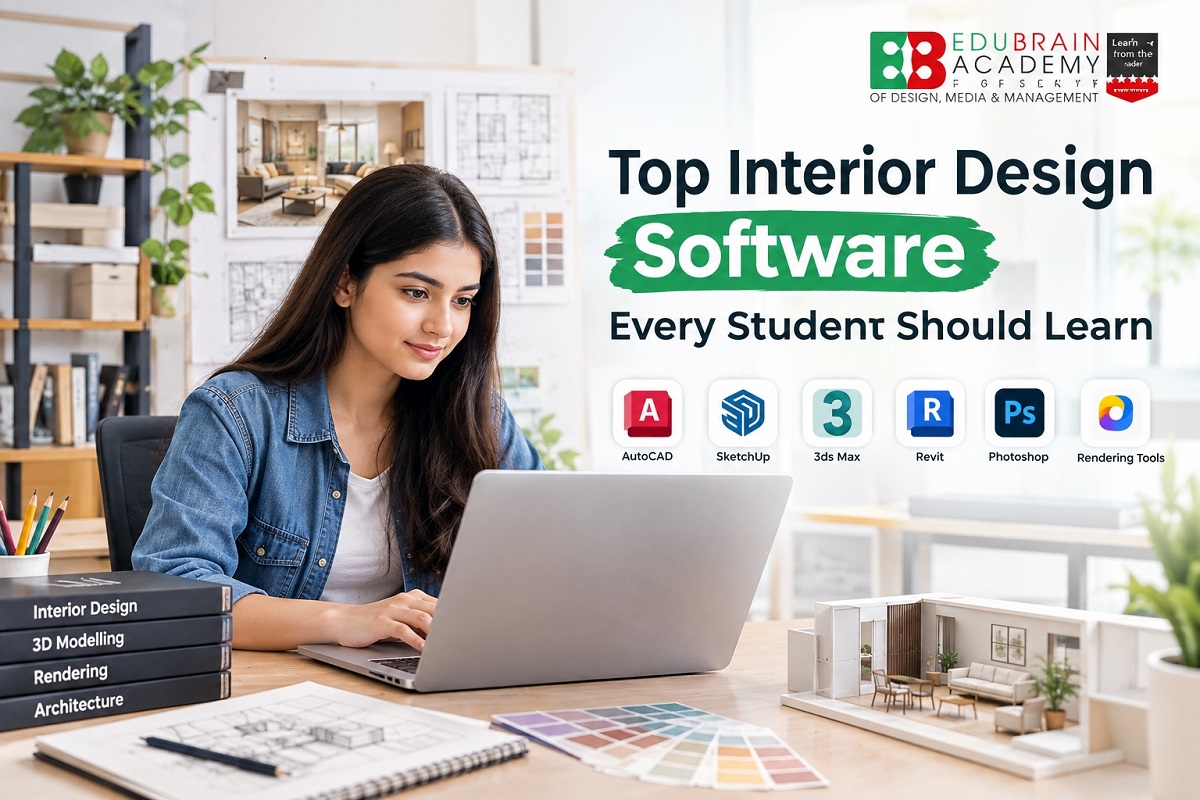
Design Software and Technology
Technology has become an important part of modern design education.
Students may gain exposure to:
-
AutoCAD
-
SketchUp
-
Photoshop
-
Rendering tools
-
3D visualisation software
Digital skills help students present ideas and improve project planning.
Practical Learning Makes a Difference
Interior design is a practical profession where students develop technical understanding through projects and creative activities. Practical exposure helps learners understand planning, materials, furniture concepts, and project execution while improving communication and presentation skills.
Students often participate in:
-
Studio projects.
-
Live assignments.
-
Model making.
-
Material workshops.
-
Design presentations.
-
Team activities.
-
Portfolio projects.
While comparing learning opportunities, many students evaluate an interior design institute in West Delhi based on project exposure and practical training.
Why Portfolio Development Matters
A professional portfolio helps students showcase creativity, technical understanding, and project experience. Practical work completed during training supports internships and future opportunities while helping students build confidence.
A portfolio may include:
-
Floor plans.
-
Residential concepts.
-
Commercial projects.
-
Furniture layouts.
-
Mood boards.
-
Material boards.
-
Professional presentations.
Before selecting a program, many students compare Interior Design Course Fees along with practical training, portfolio development, software exposure, workshops, and industry-oriented learning. Understanding these factors helps students evaluate the overall educational experience and choose a course that matches their academic and career goals.
Understanding Course Investment
Apart from practical learning and portfolio development, students should evaluate the overall curriculum, software exposure, workshops, and project opportunities while planning their educational investment.
Skills Students Develop
Interior design requires a combination of creative and professional abilities. Along with technical knowledge, students develop communication and project management skills that support future growth:
-
Creativity.
-
Communication.
-
Technical understanding.
-
Space planning.
-
Client interaction.
-
Material knowledge.
-
Presentation skills.
-
Teamwork.
-
Time management.
-
Problem solving.
Professional growth in interior design depends on practical exposure. Students benefit from workshops, live assignments, material studies, design presentations, and project discussions that improve technical understanding and creative confidence.
Practical learning helps students understand client requirements, project planning, furniture concepts, lighting arrangements, and space management. Exposure to different design approaches also helps students build communication skills and professional confidence.
Career Opportunities
|
Career |
Opportunity |
|
Interior Designer |
Residential and commercial projects |
|
Residential Specialist |
Home interiors |
|
Commercial Specialist |
Business spaces |
|
Furniture Professional |
Product concepts |
|
Exhibition Designer |
Event projects |
|
Interior Stylist |
Visual enhancement |
|
Lighting Consultant |
Lighting solutions |
|
Entrepreneur |
Independent business |
Salary Expectations
|
Experience |
Average Salary |
|
Entry Level |
₹3–5 LPA |
|
Mid Level |
₹5–8 LPA |
|
Senior Level |
₹8–15 LPA |
Career growth depends on skills, practical experience, and project exposure.
Students should evaluate both academic and practical aspects before selecting a suitable design program.
Disclaimer: Actual income depends on practical skills, project experience, location, specialisation, and professional growth.
Student Checklist
Before selecting a course, ask:
✅ Are practical projects included?
✅ Is software training available?
✅ Is portfolio development part of the curriculum?
✅ Are workshops organised?
✅ Is career guidance provided?
✅ Are live assignments included?
Students should also understand the admission process and available academic support while selecting a suitable design program for their future goals.
Why Students Consider Edu Brain Academy
Students looking for institute for Interior Design course in West Delhi often prefer practical learning environments that support creativity and professional growth.
Edu Brain Academy focuses on:
-
Practical assignments.
-
Project-based learning.
-
Portfolio development.
-
Creative workshops.
-
Professional guidance.
-
Skill enhancement.
-
Industry-oriented education.
Students interested in specialised training can also explore the School of Interior at Edu Brain Academy.
Future Scope
The interior design industry continues to evolve because of changing lifestyles and technology.
Growing opportunities include smart homes, sustainable projects, modular furniture, hospitality developments, commercial spaces, natural lighting concepts, digital visualisation, and multifunctional interiors.
Growing trends include:
-
Sustainable materials.
-
Smart homes.
-
Modular furniture.
-
Multi-functional spaces.
-
Natural lighting.
-
Space-saving concepts.
-
Biophilic interiors.
-
Digital presentations.
Understanding modern trends helps students adapt to changing industry requirements.
Expert Advice
Students should focus on practical projects, design software, communication skills, and portfolio development alongside classroom learning to build strong professional foundations.
Students interested in developing creative and technical skills can also explore related design education opportunities available through Edu Brain.
Conclusion
An Interior Design Course in West Delhi provides students with creative knowledge, technical understanding, and practical experience required for the modern design industry. Through project-based learning, portfolio development, digital tools, and industry-oriented education, students can prepare for opportunities across residential, commercial, hospitality, retail, and furniture sectors while building long-term professional skills.
About Edu Brain Academy
Edu Brain Academy focuses on practical learning and skill development across creative disciplines. The academy encourages project-based education, portfolio development, software exposure, and industry-oriented learning to help students build professional confidence and prepare for future opportunities.
Frequently Asked Questions (FAQs):
1. Why is portfolio development important for interior design students?
A portfolio showcases creative thinking, technical understanding, and project experience. It helps students present their practical work during internships, higher education, and professional opportunities.
2. What qualifications are required to join an interior design course?
Eligibility depends on the program. Certificate and diploma courses may accept students after Class 10th or 12th, while advanced programs generally require completion of higher secondary education.
3. What subjects are covered in an interior design program?
Students typically study space planning, furniture concepts, materials, lighting, colour theory, design software, project planning, portfolio development, and professional presentation techniques.
4. Is practical training included in interior design education?
Yes. Practical learning is an important part of interior design education and may include studio assignments, workshops, project work, presentations, and portfolio development.
5. Is an Interior Design Course a good choice for students?
Yes. An Interior Design Course in West Delhi helps students develop creative, technical, and practical skills for residential, commercial, hospitality, and retail projects while preparing them for different career opportunities.
6. What software knowledge is useful for interior design students?
Many students gain exposure to digital tools used for planning and presentations. Software knowledge helps improve technical understanding and supports the visual communication of design concepts.
7. Can working professionals join an interior design course?
Yes. Many interior design programs are suitable for students, graduates, working professionals, and individuals interested in developing creative and practical design skills.
8. What career opportunities are available after studying interior design?
Students can explore opportunities in residential interiors, commercial projects, furniture concepts, retail spaces, hospitality developments, exhibition design, styling, and independent consultancy.
9. What should students compare before selecting an interior design program?
Students should evaluate curriculum, practical learning, portfolio support, workshops, software exposure, faculty guidance, project opportunities, and career development services before making a decision.
10. Why do many students prefer studying interior design in West Delhi?
Many students prefer West Delhi because of its connectivity, educational environment, practical learning opportunities, and access to creative industries and professional design education.