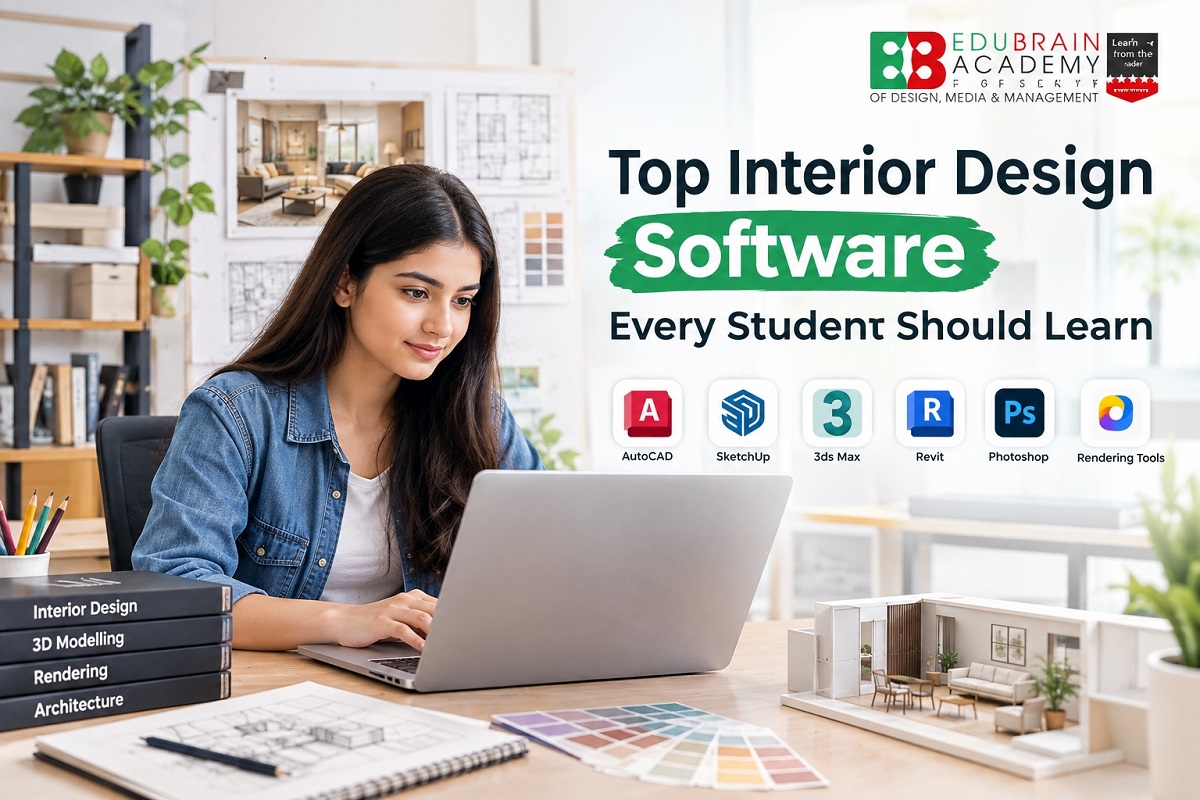

Interior design has become one of the most popular career choices among creative students in India. With increasing urbanization, modern housing trends, commercial developments, and smart living spaces, the demand for skilled interior designers continues to grow. Today, interior designers are responsible for creating functional, aesthetically appealing, and comfortable spaces that improve the way people live and work.
Before enrolling in a professional design program, one of the most common questions students and parents ask is about Interior Design Course Fees. Understanding the fee structure is important because it helps students compare courses, evaluate educational value, and make informed decisions about their future.
The cost of an interior design program varies depending on several factors, including course duration, curriculum quality, software training, practical exposure, infrastructure, faculty expertise, and industry opportunities. In this post, we will explore interior design fees, course options, career opportunities, salary potential, and important factors students should consider before selecting a program.
What is an Interior Design Course?
An interior design course is a professional program that teaches students how to design functional and visually appealing interior spaces. The curriculum combines creativity with technical knowledge to help students understand space planning, furniture design, lighting concepts, color coordination, and interior styling.
Students Learn:
-
Space Planning
-
Interior Styling
-
Furniture Design
-
Lighting Design
-
Material Selection
-
Color Theory
-
Design Presentation
-
3D Visualization
-
Construction Fundamentals
-
Client Communication
These skills prepare students for careers in residential, commercial, hospitality, retail, and corporate interior design projects.
Interior Design Course Fees in India
The fee structure for interior design courses varies depending on the type of program and the institute offering it.
Average Fee Range
|
Course Type |
Estimated Fee Range |
|
Certificate Course |
₹30,000 – ₹1,00,000 |
|
Diploma Course |
₹50,000 – ₹2,50,000 |
|
Advanced Diploma |
₹1,00,000 – ₹4,00,000 |
|
Undergraduate Degree |
₹2,00,000 – ₹8,00,000 |
|
Professional Programs |
₹1,50,000 – ₹5,00,000 |
The actual fees may vary depending on curriculum quality, facilities, software training, workshops, and industry exposure provided by the institute.
Factors That Influence Interior Design Course Fees
Several factors affect the overall cost of interior design education.
1. Course Duration
Longer programs generally have higher fees because they include advanced subjects, practical training, industry projects, and portfolio development.
2. Curriculum Quality
Programs that include software training, design studios, site visits, workshops, and practical assignments often offer greater value to students.
3. Infrastructure and Facilities
Modern classrooms, computer labs, design studios, and project development spaces contribute to a better learning experience.
4. Industry Exposure
Institutes that offer internships, live projects, workshops, and industry interactions help students gain real-world experience.
5. Faculty Expertise
Learning from experienced mentors and industry professionals enhances both technical and creative development.
Why Practical Training Matters More Than Fees
While comparing Interior Design Course Fees, students should focus on the overall quality of education rather than selecting a course based only on cost.
Look For:
-
Practical Learning
-
Portfolio Development
-
Software Training
-
Industry Exposure
-
Internship Opportunities
-
Career Guidance
-
Professional Mentorship
A strong educational experience can provide better career opportunities and long-term professional growth.
Software Skills Included in Interior Design Courses
Technology plays a major role in modern interior design. Professional designers use software tools to create layouts, presentations, and 3D visualizations.
Many institutes include training in AutoCAD for Interior Design, helping students create floor plans, technical drawings, and professional design documentation.
Common Software Taught:
-
AutoCAD
-
SketchUp
-
Photoshop
-
3D Visualization Software
-
Rendering Tools
-
Presentation Software
Software proficiency has become an essential skill for today's interior design professionals.
Interior Designing Program After 12th
Many students begin their design journey immediately after completing school. A professional Interior Design Course After 12th provides a strong foundation in creativity, technical knowledge, and practical skills.
Benefits of Starting Early:
-
Faster Career Entry
-
Strong Design Foundation
-
Portfolio Development
-
Industry Exposure
-
Internship Opportunities
-
Professional Skill Building
Starting early allows students to gain industry-relevant experience and develop their creative abilities from the beginning of their careers.
Bachelor-Level Interior Design Programs
Students looking for comprehensive design education often choose a Bachelor in Interior Design program. These courses offer in-depth learning and practical exposure across multiple aspects of interior design.
Areas Covered:
-
Residential Design
-
Commercial Design
-
Retail Design
-
Hospitality Interiors
-
Sustainable Design
-
Design Software
-
Portfolio Development
-
Industry Projects
Bachelor-level programs help students develop both technical expertise and creative confidence.
Interior Design Specializations
The interior design industry offers several exciting opportunities for specialization.
Popular Specializations:
-
Residential Interior Design
-
Commercial Interior Design
-
Retail Design
-
Hospitality Design
-
Exhibition Design
-
Furniture Design
-
Sustainable Design
-
Luxury Interior Design
Students can choose specializations based on their interests, skills, and career goals.
Growing Demand for Interior Designers
India's real estate, hospitality, retail, and commercial sectors continue to expand rapidly. This growth has increased demand for trained interior design professionals.
Many students searching for an Interior Design Course in Delhi are attracted by the growing opportunities available in metropolitan cities and emerging markets.
Industries Hiring Interior Designers:
-
Architecture Firms
-
Interior Design Studios
-
Real Estate Companies
-
Retail Brands
-
Hospitality Businesses
-
Corporate Organizations
-
Furniture Companies
The profession continues to offer diverse and rewarding career opportunities.
Career Opportunities After Interior Design Courses
Interior design graduates can pursue a variety of professional roles across different industries.
Popular Career Options:
-
Interior Designer
-
Interior Stylist
-
Space Planner
-
Furniture Designer
-
Lighting Designer
-
Design Consultant
-
3D Visualizer
-
Project Coordinator
-
Design Entrepreneur
These career paths allow professionals to work on creative projects and build rewarding careers.
Interior Designer Salary and Career Growth
One important factor students consider before choosing a course is the salary of an interior designer and long-term career growth. Salary levels vary depending on experience, skills, portfolio quality, specialization, and project exposure.
Career Growth Factors:
-
Technical Skills
-
Software Expertise
-
Design Portfolio
-
Industry Experience
-
Client Management
-
Professional Networking
As professionals gain experience and build strong portfolios, opportunities for leadership roles and specialized positions continue to increase.
Modern Trends in Interior Design
The interior design industry constantly evolves with changing lifestyles and technology.
Popular Trends Include:
-
Sustainable Design
-
Smart Homes
-
Space Optimization
-
Luxury Interiors
-
Eco-Friendly Materials
-
Wellness-Based Design
Many institutes also introduce concepts related to Vastu and Interior Design to help students understand traditional design principles alongside modern design approaches.
How to Choose the Right Interior Design Course
Before selecting a program, students should carefully evaluate multiple factors.
Checklist for Students:
-
Curriculum Quality
-
Practical Training
-
Software Learning
-
Portfolio Development
-
Industry Exposure
-
Faculty Expertise
-
Internship Opportunities
-
Career Support
-
Student Reviews
Choosing the right course can significantly impact professional growth and future career opportunities.
Why Interior Design is a Future-Proof Career
Interior design is no longer limited to decorating homes and offices. Today's designers create spaces that improve functionality, sustainability, comfort, and user experience.
Reasons Why Interior Design Has Strong Future Potential:
-
Growing Real Estate Industry
-
Increasing Demand for Smart Homes
-
Expansion of Commercial Spaces
-
Growth in Hospitality and Retail Sectors
-
Rising Interest in Sustainable Design
-
Focus on User Experience and Aesthetics
-
Opportunities in Freelancing and Entrepreneurship
-
Global Demand for Skilled Professionals
These factors make interior design one of the most promising creative careers for future generations.
What Should Students Consider Before Paying Course Fees?
While comparing Interior Design Course Fees, students should focus on the overall educational value offered by the program.
Important Factors to Evaluate:
-
Curriculum Quality
-
Faculty Expertise
-
Practical Learning Opportunities
-
Software Training
-
Portfolio Development Support
-
Industry Exposure
-
Internship Opportunities
-
Infrastructure and Facilities
-
Career Guidance Services
-
Student Reviews and Feedback
A quality learning experience helps students gain the skills and confidence required for long-term success.
Conclusion
Understanding Interior Design Course Fees is an important step when planning a design career. However, students should look beyond the fee structure and focus on curriculum quality, practical exposure, software training, portfolio development, and career opportunities offered by the institute. A strong educational experience helps students build professional skills, industry knowledge, and creative confidence required for long-term success.
As demand for skilled designers continues to grow, investing in quality design education can open doors to exciting opportunities across residential, commercial, hospitality, and retail sectors. Students interested in creative careers should focus on choosing a program that provides both technical expertise and practical industry exposure.
Frequently Asked Questions (FAQs)
Q1. What are the average Interior Design Course Fees in India?
Fees generally range from ₹30,000 to ₹8,00,000 depending on the course type, duration, and institute.
Q2. Can I pursue interior design after 12th?
Yes. Students from any stream can pursue professional interior design courses after completing Class 12.
Q3. Is software training included in interior design courses?
Many professional programs include AutoCAD, SketchUp, Photoshop, and 3D visualization software training.
Q4. What skills are required for interior design?
Creativity, communication, space planning, visualization, technical knowledge, and problem-solving skills are important.
Q5. Is interior design a good career in India?
Yes. The growing real estate, hospitality, and commercial sectors continue to create opportunities for interior designers.
Q6. What is the scope of interior design in the future?
The demand for skilled interior designers is expected to grow due to increasing urbanization, smart homes, and modern infrastructure projects.
Q7. How long does an interior design course take to complete?
The duration depends on the course type. Certificate courses may take a few months, while diploma, advanced diploma, and degree programs can range from one to four years.
Q8. What factors affect Interior Design Course Fees?
Interior Design Course Fees depend on course duration, curriculum, software training, faculty expertise, infrastructure, workshops, industry exposure, and internship opportunities.
Q9. Is portfolio development important for interior design students?
Yes. A professional portfolio helps students showcase their creativity, technical skills, design projects, and practical experience to potential employers and clients.
Q10. Which software should interior design students learn?
Interior design students should learn software such as AutoCAD, SketchUp, Photoshop, rendering tools, and 3D visualization software to improve design accuracy and professional presentation skills.